Healing Hair Loss from the inside out with functional medicine
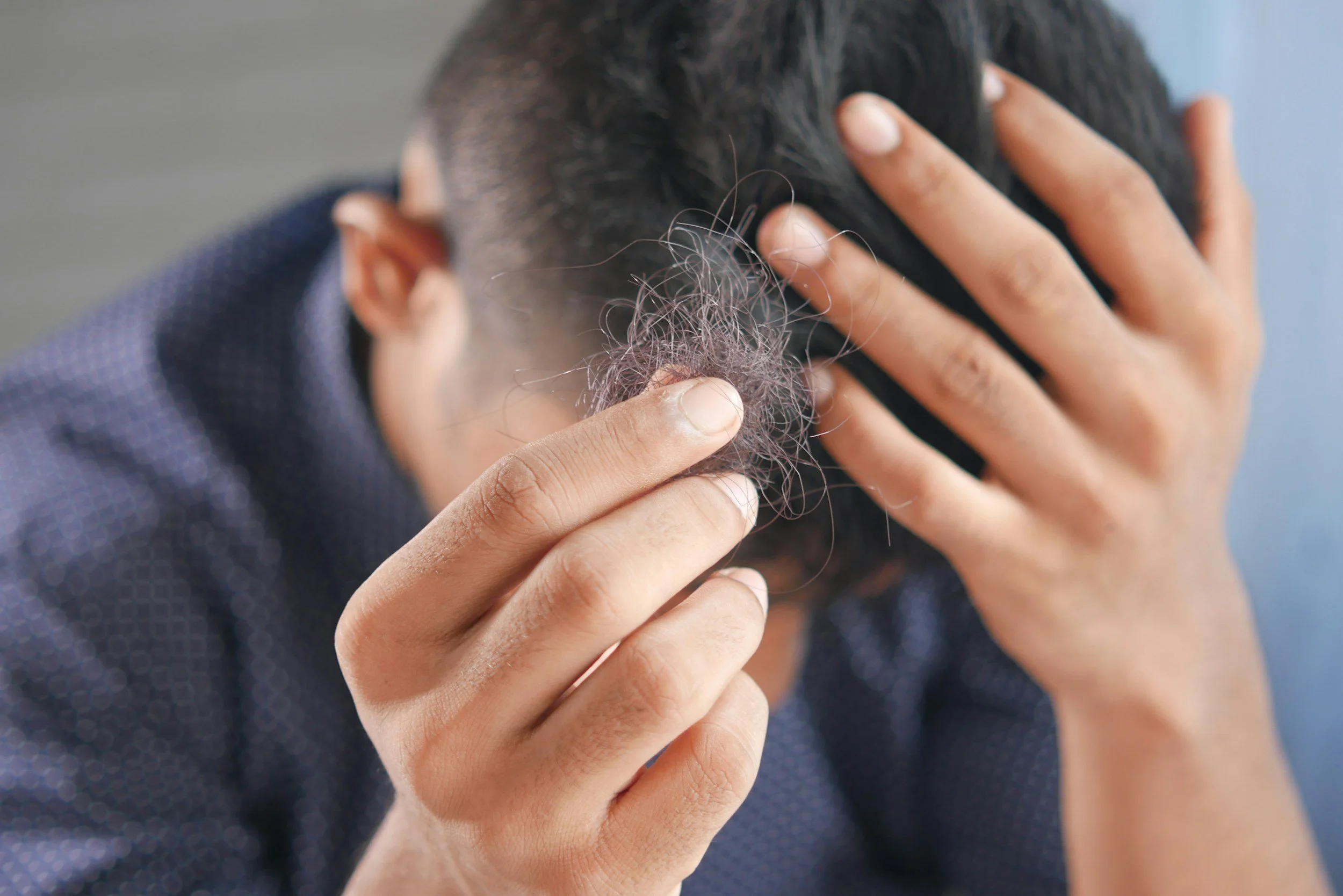
Hair Loss
Functional Medicine for Hair Loss: Understanding and Solutions
Hair loss is a common experience, with an average of 50 to 100 scalp hairs lost daily. However, significant hair loss beyond this range may indicate alopecia. This protocol delves into the prevalence of hair loss, its signs, and potential causes. We'll explore functional medicine testing to uncover the root issues and outline various treatment options.
Is Hair Loss Common?
Hair loss affects 50% of women and 80% of men at some point. The hair growth cycle consists of four phases:
Anagen: Growth phase lasting 2–8 years.
Catagen: Regression over about two weeks.
Telogen: Resting phase lasting 2–3 months.
Exogen: Shedding of old hair as new hair grows in.
Signs of Hair Loss:
Alopecia can be categorized into scarring (permanent) and non-scarring (often reversible). Common types include:
Focal: Patchy hair loss, often due to conditions like alopecia areata.
Diffuse: Even hair loss, such as telogen effluvium.
Patterned: Symmetrical thinning, typically seen in androgenetic alopecia.
Underlying Causes:
Hair loss can signal autoimmune conditions, severe illness, malnutrition, or hormonal imbalances. Common causes include vitamin deficiencies, genetics, stress, and certain hairstyles.
Holistic Treatment Approaches:
Nutrition plays a vital role; a low-inflammatory diet, like the Mediterranean Diet, can help. Supplements tailored to individual needs—targeting genetics, thyroid issues, and hormonal imbalances—may also be beneficial, including ingredients such as:
L-Arginine and CoQ10 for genetic factors.
Iodine and selenium for thyroid health.
Saw palmetto for DHT regulation.
Managing Stress:
High stress can contribute to hair loss, with adaptogenic herbs like ashwagandha aiding in cortisol management.
Summary
Hair loss can impact quality of life. Functional medicine offers a personalized approach, using tests for genetic, hormonal, and micronutrient imbalances to create tailored treatment plans. Always consult with a healthcare provider before making dietary changes or starting new supplements.
Myron Ubungen, RN
Functional Medicine Registered Nurse
References
https://www.mayoclinic.org/diseases-conditions/hair-loss/symptoms-causes/syc-20372926
https://www.aad.org/public/diseases/hair-loss/causes/18-causes
Schedule your consultation to help heal your hair loss with functional medicine.