Healing acne from the inside out with functional medicine
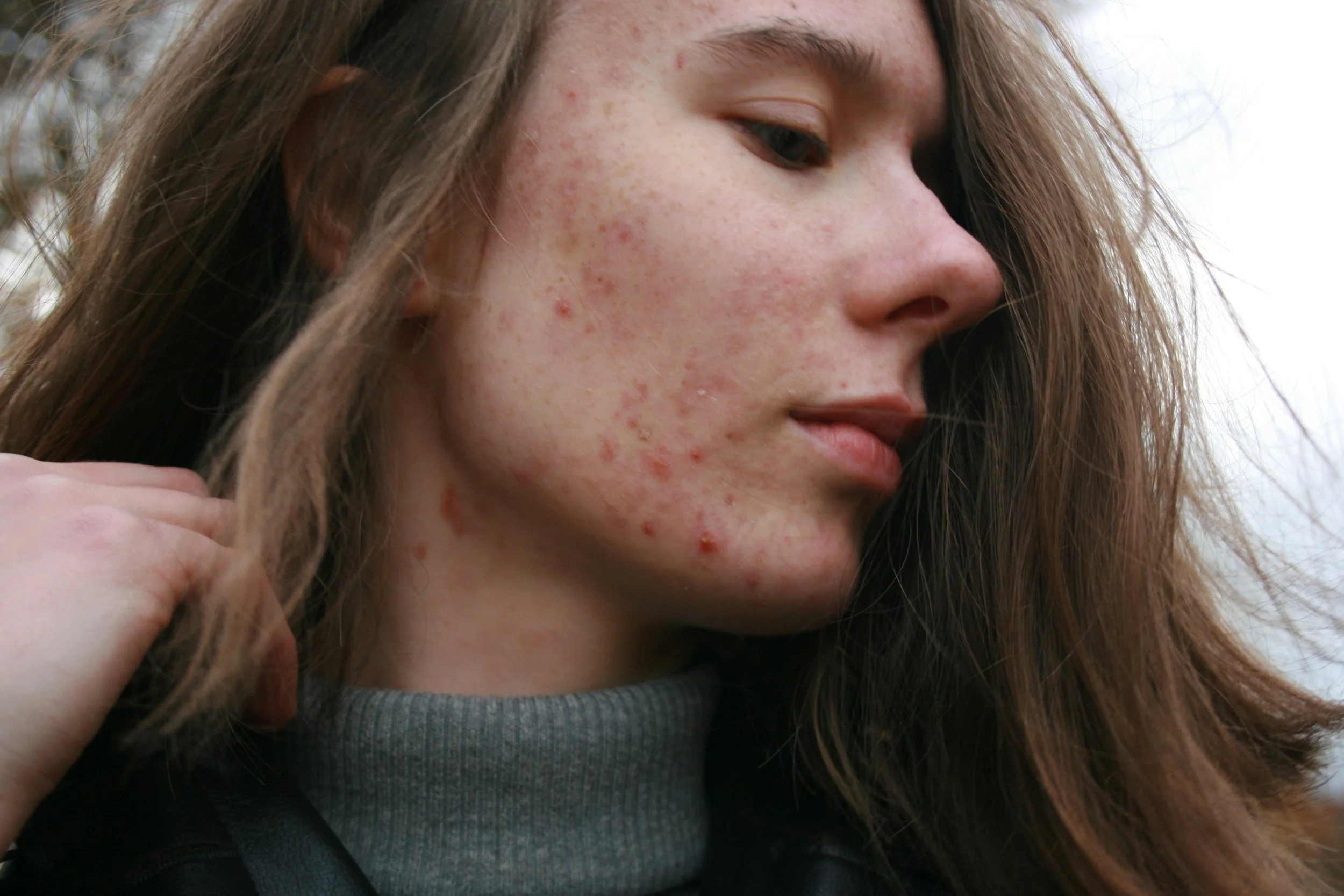
Acne Vulgaris
Functional Medicine Protocol for Treating Acne
Acne affects many of us, with up to 95% of adolescents and 54% of adults over 25 experiencing it. This frustrating skin condition can impact self-esteem and confidence. While its causes can be complex, a functional medicine approach offers hope by addressing the root factors underlying acne.
What is Acne?
Acne, or acne vulgaris, occurs when hair follicles become clogged with oil and dead skin cells, leading to pimples primarily on the face, chest, and back. This common condition is particularly prevalent among teenagers and women.
Types of Acne:
Non-Inflammatory: Includes blackheads and whiteheads (open and closed comedones).
Inflammatory: Includes papules, pustules, nodules, and cysts, which are often painful and deeper in the skin.
Root Causes of Acne:
Genetics: Family history can increase your likelihood of developing acne.
Skin Microbiome Imbalance: Disruptions from tight clothing or harsh products can support acne-causing bacteria.
Hormonal Imbalances: Fluctuations and excess androgens can trigger outbreaks, particularly in conditions like PCOS.
Dietary Factors: Foods like dairy and sugar can increase acne risk by elevating IGF-1 levels.
Micronutrient Deficiencies: Low levels of zinc, vitamins A, D, and E, and high vitamin B12 can contribute to acne.
Stress: Elevated cortisol levels can alter skin health and contribute to acne development.
Medications: Certain drugs, including steroids and some hormonal treatments, may worsen acne.
Nutritional Strategies:
Limit foods known to exacerbate acne and consider an elimination diet to identify sensitivities. This involves removing suspected foods for 3 to 4 weeks and then reintroducing them gradually to monitor reactions.
Supplement Protocols:
A functional medicine approach includes targeted supplements based on individual needs, such as:
L-Glutamine: Supports gut health and may help reduce inflammation.
DIM: Derived from cruciferous vegetables, it has anti-androgen properties and supports microbiome health.
Ashwagandha: An adaptogen that helps manage stress and cortisol levels.
Acnutrol: A blend of micronutrients that support skin health, including zinc and vitamins A and D.
Vitamin D and Omega-3 Fatty Acids: Essential for reducing inflammation and improving overall skin health.
Summary
Acne is a common challenge that can significantly affect self-esteem and daily life. A functional medicine approach investigates various contributing factors, from hormonal imbalances to dietary influences, to create a personalized treatment plan.
If you struggle with acne, consult your functional medicine practitioner to uncover the underlying causes and tailor a treatment strategy just for you.
Myron Ubungen, RN
Functional Medicine Registered Nurse
References
https://www.mayoclinic.org/diseases-conditions/acne/symptoms-causes/syc-20368047
https://www.medicaljournals.se/acta/content_files/files/pdf/94/5/4112.pdf
https://www.clinicaltherapeutics.com/article/S0149-2918(20)30171-5/fulltext
https://pubchem.ncbi.nlm.nih.gov/compound/3_3_-Diindolylmethane
https://www.webmd.com/vitamins/ai/ingredientmono-1049/diindolylmethane
https://www.webmd.com/vitamins-and-supplements/health-benefits-dim
https://www.webmd.com/vitamins/ai/ingredientmono-953/ashwagandha
https://ods.od.nih.gov/factsheets/VitaminD-HealthProfessional/
Schedule your consultation to help heal your acne from the inside out.